

Sleeping Pad
Company advantages
Professional Production
We focus on the R&D and production of outdoor products, and all products undergo strict testing, including inspection and testing by professional outdoor explorers.
Warranty Service
We provide a 6-month warranty for all products - during the warranty period if there is a quality problem with the product, we will repair the defective product or provide other solutions.
OEM and ODM services
Customers can customize products according to their needs to save R&D expenses and costs, and expand product lines to increase sales and market share.
Quick Quotation and Free Samples
If customers are interested in our products, we can quote within a short time and provide free samples for reference.
What is Sleeping Pad
Sleeping pads play two very important roles for getting a solid night's sleep in the great outdoors: cushioning and insulation. While it might seem like having a comfortable surface to sleep on is a pad's most useful function, its ability to keep you warm throughout the night is often more important.A sleeping mat is the foundation of your sleep system. Your sleeping mat's primary functions are to 1) provide a comfortable sleeping surface by separating you from the hard ground beneath you and 2) insulate you from the cold ground - which can be a whole lot colder than the ambient air.
-
![Outdoor Backpacking Sleeping Pad]()
Outdoor Backpacking Sleeping Pad
This is a Outdoor Backpacking Sleeping Pad.It adopts high-frequency technology and nylon plus TPUAdd to Inquiry -
![Inflatable Camping Sleeping Pad]()
Inflatable Camping Sleeping Pad
This is a Inflatable Camping Sleeping Pad.It is a diamond-shaped trachea design, which is not onlyAdd to Inquiry


Benefits of Sleeping Pad
Comfort
A full-size air mattress or inflatable sleeping pad is more comfortable as the air provides more cushioning and keeps your body higher off the cold ground. Foam sleeping mats give you some cushion and insulation but may fail to provide enough support for light sleepers or side sleepers.
Durability
Both sleeping pads and air mattresses can be vulnerable to scratches, tears, and rips, but air mattresses are more prone to punctures. An air mattress with a puncture ceases to hold air; you can keep a repair kit on hand to patch up any holes to ensure you still get a good night's sleep while camping, but a kit can take up a lot of space in your pack and adds extra weight. Foam pads are a more durable sleeping surface.
Insulation
Manufacturers measure the warmth and insulation of sleeping pads and air mattresses using R-values. A higher R-value indicates a higher thermal resistance, meaning the product can help prevent heat loss in cold weather. A full-size air mattress provides a high R-value rating due to the cushion of air and distance from the ground. A lighter foam pad earns a lower R-value, as the thin camping gear fails to retain your body heat as effectively. However, air mattresses, self-inflating pads, and foam pads exist in a wide range of temperature ratings for summer or winter camping, so research options based on your needs. Remember your sleeping bag also plays a significant role in how warm you will be at night.
Weight
A sleeping pad or inflatable sleeping mat is the smallest and lightest option for hikers on extended backpacking or mountaineering trips. Designed for ease of use and packability, you can roll foam sleeping pads tight and fit them in a stuff sack, and they add minimal weight and bulk to your pack. An inflatable air pad will require inflation and deflation but will be very light and portable, depending on your pack size. An air mattress or air bed is too large and heavy for long treks but can be a comfortable option for car campers.
What are the Applications of Sleeping Pad
Camping
The most common application of sleeping pads is for camping. They insulate users from the cold ground, which can sap body heat and lead to discomfort or hypothermia in colder climates. They also provide padding to make sleeping on uneven terrain more comfortable.Car campers use sleeping pads for comfort and insulation, although they may opt for thicker, more cushioned mats due to the lack of weight concerns.
Backpacking
Backpackers use sleeping pads to maintain warmth and comfort on the trail. Ultralight models are designed to be carried with minimal impact on overall pack weight and volume.Long-distance hikers on trails like the Appalachian Trail or Pacific Crest Trail rely on sleeping pads to stay comfortable and healthy during extended periods spent outdoors.
Mountaineering
In high-altitude environments, sleeping pads are crucial for maintaining warmth due to the conductive nature of snow and ice. Closed-cell foam pads are often used in conjunction with inflatable pads for added insulation.Airline passengers or budget travelers might use sleeping pads as a way to create a more comfortable sleeping surface in hostels, airports, or on overnight train journeys.
Hunting and Fishing
Hunters and anglers may use sleeping pads to stay warm and comfortable during extended stays in the wilderness.Glampers, or those who enjoy luxury camping, often choose high-end sleeping pads that provide hotel-like comfort in the great outdoors.
Day Hikes and Picnics
Some hikers carry lightweight sleeping pads for use as a ground垫 during rest breaks or for picnics to avoid sitting directly on the cold or damp ground.During power outages or home renovations, sleeping pads can serve as temporary beds.

Foam Sleeping Pads:Closed-Cell Foam: Lightweight and durable, these pads resist punctures and provide consistent insulation. They are ideal for backpacking and thru-hiking.Open-Cell Foam: Slightly heavier than closed-cell foam, but more comfortable and compressible. They are good for car camping or short trips.
Self-Inflating Sleeping Pads:Combine a foam core with an air bladder. They inflate automatically to a certain degree, providing a balance between comfort and insulation. They are popular for car camping and backpacking.
Hybrid Sleeping Pads:Combine elements from different types, such as a foam layer with an air bladder, to offer enhanced performance in terms of insulation, durability, and comfort.
Ultralight Sleeping Pads:Designed for backpackers and thru-hikers who prioritize minimizing weight, these pads are often very thin and light, with lower R-values.Wider and longer than ultralight models, providing ample room for side sleepers and tall individuals. They are usually heavier and better suited for car camping.
Components of Sleeping Pad
Outer Fabric
A durable nylon or polyester shell that protects the inner materials from abrasion and punctures. It is often treated with a waterproof coating to repel moisture.
Inner Materials
Foam Core: In foam pads, this is the insulating layer that provides structure and warmth. Closed-cell foam is rigid and resilient, while open-cell foam is softer and more compressible.Air Bladder: In inflatable pads, this is a sealed chamber filled with air that can be adjusted for firmness. It is made from materials like TPU (Thermoplastic Polyurethane) for strength and puncture resistance.
Insulation
Many sleeping pads are insulated to prevent heat loss to the ground. Insulation can come in the form of synthetic fibers, down feathers, or specialized reflective materials.
Valve
Inflatable pads have a valve for filling and deflating the air bladder. Valves may be twist-lock, one-way, or pinch types, each with a method to control air flow.Found in some inflatable pads, these are internal dividers that distribute the air evenly and help stabilize the pad's shape and support.
Non-Slip Texture
Some pads have a textured surface or a built-in fabric grip to prevent the pad from sliding on tent floors or other surfaces.While not a physical component, the R-Value is a measure of a sleeping pad's thermal resistance, indicating how well it insulates against the cold ground.
Corner Tabs and Loops
These are attached to the edges of the pad to secure it with guy lines or to attach a sleeping pad strap system to a backpack.
Pump Sack
Automatic or semi-automatic inflating pads often come with a built-in pump sack, which allows for quick inflation with minimal effort.
Repair Kit
Many high-quality inflatable pads include a repair kit with patches and adhesive for emergency repairs in the field.
How to Choose Sleeping Pad
Weight and storage size
In addition to determining what amount of insulation you need, weight and how compact the pad is should be your next considerations. For backpacking trips of even bike packing tours, where space is at a premium, lighter more compact models should be prioritized. For activities where weight and space is less of a concern, for example car camping, you can go with comparatively heavier models that may provide more cushioning.
Comfort and insulation
Level of cushioning is a matter of personal preference. Though going with a thicker pad usually means an increase in weight and size. Before purchasing it is important to consider your priorities. Do you take a heavier, bulkier pad with your for better comfort? Or do you bring a lighter, smaller pad and potentially get less sleep as a result?
Style
For activities where space is at a premium, our 50cm width models offer a good balance of weight and compactness, while still providing a level of comfort necessary to get a good night's rest. Think in terms of, your elbows might be resting on the ground.
If weight and space is not a concern, our 60cm width models provide a little extra room to spread out. Elbows are on the sleeping pad.
Size and connectability
Montbell offers pads in various lengths, with many of them featuring toggles and loops to link up with other pads or accessory items, such as pillows. Sleeping pads also come in different lengths so you can customize just how much pad is necessary for your needs. As an example, we sometimes hear of people taking weight savings to an extreme by getting creative with a 90cm length pad and using an empty backpack under their legs.
Comparison based on insulation performance
Insulation performance is determined by the material and internal structure of the sleeping pad. Thicker doesn't necessarily mean better insulation performance. Instead of thickness, refer to a sleeping pad's R-value when comparing different sleeping pads.
Design and Development
Engineers and designers create prototypes based on the desired features such as thickness, weight, R-value, and size. Computer-aided design (CAD) software is commonly used to draft and refine designs.
Material Selection
Based on the design, engineers choose appropriate materials for the outer shell, insulation, and inner bladders. Durable fabrics like nylon or polyester are selected for the outer layer, while foams or air bladders are chosen for the inner core.
Cutting
Precision cutting machines are used to cut the fabric and any foam materials according to the design specifications. For inflatable pads, multiple layers of fabric and insulation are cut to create the pad's structure.
Sealing and Welding
If the pad includes an air bladder, the seams where the fabric meets are sealed using techniques such as hot air welding or adhesive bonding. This ensures that the pad remains airtight once inflated.
Assembly
For inflatable pads, the air bladder is inserted into the outer shell, and baffles (if present) are added to maintain structural stability. Foam pads may be layered and compressed.Valves are attached to the air bladder, allowing users to inflate and deflate the pad. Valves must be securely fastened and leak-free.
Final Inspection and Testing
The completed sleeping pads undergo final inspections and testing to ensure they meet the specified R-value and perform as intended without leaks.
Packaging
Once approved, the pads are packaged, often with instructions and sometimes with a repair kit. Packaging is designed to protect the product during shipping and to provide information to the consumer.The finished sleeping pads are shipped to retailers or directly to consumers, depending on the distribution model of the manufacturer.
How to Maintain Sleeping Pad
Clean It
Cleaning your sleeping pad preserves its life expectancy. Dirt and body oils that accumulate in the textiles can contribute to your pad's early degradation. Often times, pads that are neglected and dirty also start delaminating. Through research, we've discovered that the fatty acids in body oils make the film beneath the pads' fabric gummy.So how should you clean a sleeping pad? Simple 409 does the trick. As does soap and water. Or you can use a degreaser like biokleen® All-Purpose Cleaner. After spraying the mattress with a cleaning solution, wipe it down and then rinse thoroughly with water.
Fix It
Winter is the perfect time to make those repairs you haphazardly patched on the trail last summer. It's easy to let it slide, but it sure is nice to have it ready to go.If you're having trouble repairing a mattress, or you're just not into the whole DIY thing, send us the pad and we'll fix it for a minimal fee. Visit the Therm-a-Rest warranty page to learn more about getting your sleeping pad repaired by our professional team.
Store It
For our foam self-inflating pads, proper storage is essential for future performance. Lying your mattress flat with the valve open is the way to go. If a foam pad is rolled tight and compressed with a valve closed for a long period of time it won't be as responsive when you take it out next season. If you have an air mattress, simply roll it up tight and tuck it away for the winter.
Our factory
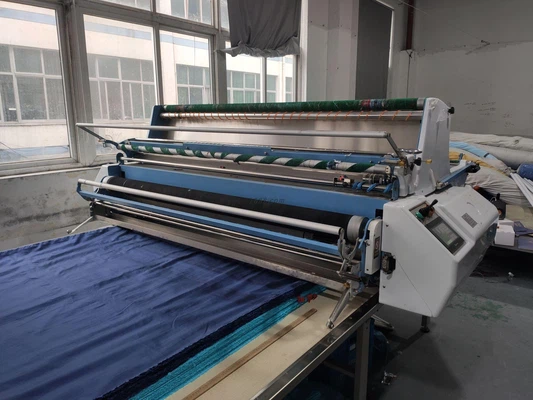
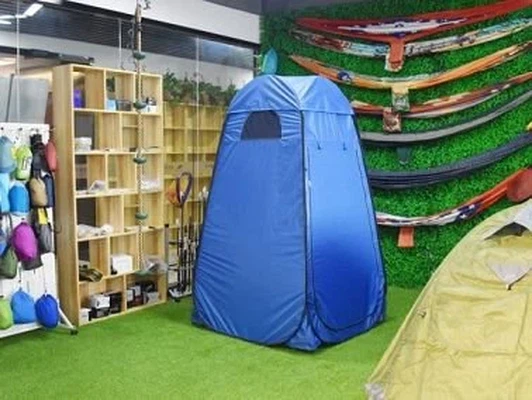
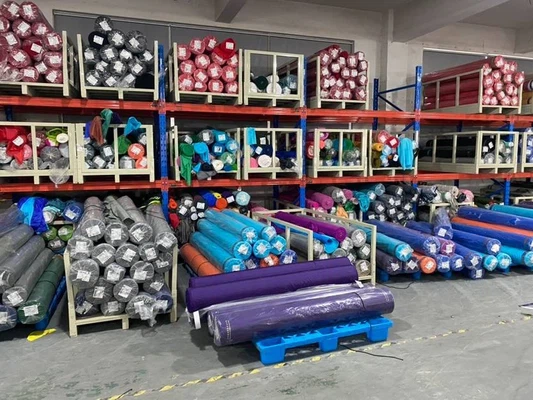
YekaSport is a professional outdoor products brand. We advocate the brand concept of "enjoying life in nature" and are committed to providing high-quality, convenient and easy-to-use outdoor products.We are a brand enterprise specializing in product development, design and manufacture.We not only sell our own brand products, but also provide OEM services for overseas customers.We mainly sell hiking, climbing, camping and other outdoor sports products.YekaSport advocates nature and create environmentally friendly outdoor gear that is in harmony with nature. Our products go through complex manufacturing and testing processes. All of our products are inspected and tested by professional outdoor adventurers who are involved from start to finish. We also fully consider customer experience and feedback to ensure further development and improvement of our products. We encourage people to bring YekaSport's professional outdoor equipment to forests, canyons, mountains, and plains, and even the end of the world to enjoy a wonderful camping life and return to nature. What we can do is to escort you all the way and provide high-quality hiking, mountaineering, camping and other outdoor sports products. The world is so big, let's go see it.
FAQ
We're well-known as one of the leading sleeping pad manufacturers and suppliers in China. Please feel free to buy or wholesale high quality sleeping pad at competitive price from our factory. For quotation, contact us now.
crate sleeping pad, merino sleeping liner bag, shock absorbing trekking pole